October 1, 2026
The right flooring can completely change the appearance, comfort, and functionality of a room. Tile flooring offers an especially versatile option because it comes in countless colors, textures, patterns, shapes, and materials. Whether you want a clean, modern kitchen, a relaxing bathroom, or a more polished living space, the right tile can establish the foundation for the room's entire design.
Choosing tile, however, involves more than finding a style you like. Different materials have different levels of durability, maintenance requirements, and suitability for particular environments. Working with a local floor contractor can help homeowners balance appearance with practical considerations. A professional can evaluate the space, discuss available materials, and help determine which flooring solution fits the home's needs and the homeowner's preferences.
What Types of Tile Flooring Are Most Popular?
Ceramic, porcelain, and natural stone are among the most common tile flooring options. Each material offers different characteristics that can make it appropriate for different applications.
Ceramic tile is popular because of its broad selection of colors, patterns, and finishes. It can work particularly well in kitchens, bathrooms, and other areas where homeowners want durable flooring with plenty of design flexibility. Porcelain is another popular choice and is known for its density and resistance to moisture. This makes it useful in areas that experience frequent spills or humidity.
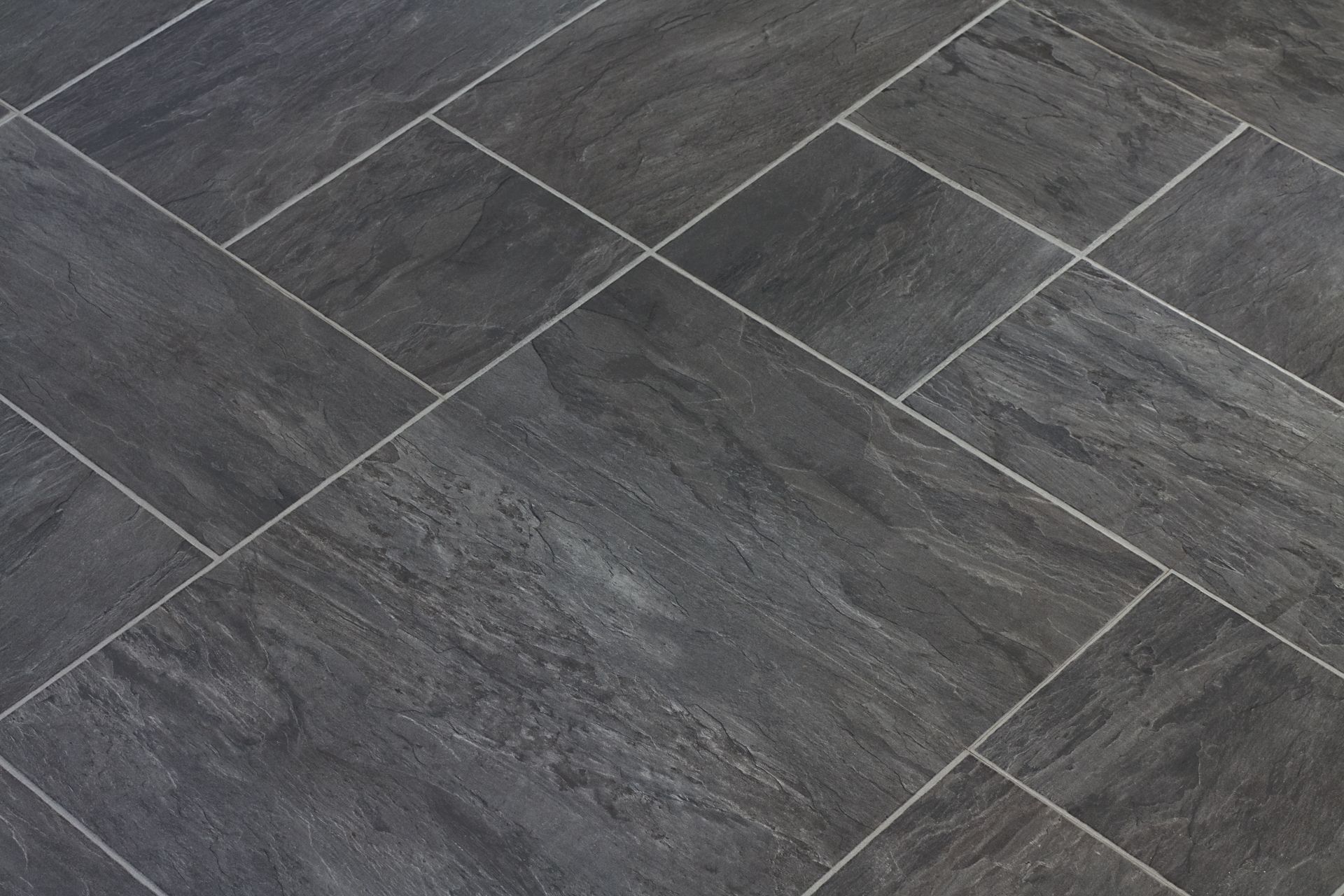
Natural stone, including materials such as slate, marble, granite, and travertine, offers distinctive variations that can give a room an upscale or natural appearance. Because natural stone can have different sealing and maintenance requirements, homeowners should understand how the material will perform before installation.
A local floor contractor can explain the differences between these materials based on the location and intended use of the flooring. Professional guidance can also help homeowners consider factors such as foot traffic, cleaning requirements, moisture exposure, and long-term durability rather than choosing tile based solely on appearance.
Tile can also provide impressive longevity when properly installed and maintained. According to This Old House, tile flooring can last as long as 50 years with proper care, while tile used in high-traffic areas can still last up to 20 years. This potential lifespan makes material selection and installation quality important considerations for homeowners planning a long-term flooring investment.
How Does Tile Flooring Affect Room Design and Ambiance?
Flooring occupies a large visual area, so it can have a substantial effect on how a room looks and feels. Even when furniture, paint, and decorations remain unchanged, replacing an outdated floor with carefully selected tile can create a noticeably different atmosphere.
Color is one of the simplest ways tile influences a room. Light-colored tile can make a smaller space feel brighter and more open, while darker shades can create a warmer or more dramatic appearance. Neutral colors can provide a versatile foundation for changing furniture and decorations over time.
Texture also affects the character of a room. Smooth tile can create a streamlined, contemporary appearance, while textured or naturally varied surfaces can provide additional visual interest. Patterns can have an equally significant effect. Large-format tiles can create fewer visible grout lines and contribute to a spacious appearance, while smaller tiles or geometric patterns can become a prominent design feature.
A local floor contractor can help homeowners consider how individual tile samples will interact with the room's lighting, wall colors, and existing features. Looking at a small sample in a showroom does not always provide an accurate impression of how an entire floor will look. Professional input can help homeowners anticipate those differences before committing to a particular material or pattern.
What Should I Consider When Choosing Tile Flooring for Specific Rooms?
The best tile flooring depends heavily on where it will be installed. A material that works well in a bathroom may not necessarily be the preferred choice for another area of the home.
Kitchens generally benefit from flooring that can withstand regular foot traffic, food spills, and frequent cleaning. Porcelain and ceramic tiles are common choices because they offer a wide range of styles while providing durable surfaces. Homeowners should also consider slip resistance, particularly in areas where water or other liquids may reach the floor.
Bathrooms require additional attention to moisture and traction. Tile is a popular bathroom flooring material because it can handle humid conditions and occasional water exposure. However, the finish and surface characteristics should be considered carefully when selecting tile for a wet environment.
Living rooms provide more flexibility because moisture may be less of a concern. Homeowners can focus more heavily on appearance, comfort and how the flooring coordinates with furniture and architectural features. Large-format tiles, natural stone and wood-look tile can all create distinctive appearances.
A local floor contractor can evaluate each room individually and explain which materials and installation approaches make sense. They can also identify factors homeowners may overlook, such as subfloor conditions, transitions between rooms, and the amount of maintenance a particular tile will require.
How Can a Local Floor Contractor Assist in Transforming My Room?
A local floor contractor can contribute to the project well before installation begins. Their experience can help homeowners narrow down the many available options and avoid choices that may not perform well in a particular environment.
One important part of the process is assessing the existing floor. The condition and levelness of the subfloor can affect how tile should be installed. Addressing underlying problems before laying the tile can help create a more stable and attractive finished floor.
A local floor contractor can also help with material selection and sourcing. Professionals may have experience working with different manufacturers, tile types, and installation products. Their knowledge can make it easier to compare options based on durability, appearance, and maintenance.
Installation itself is another critical part of the project. Proper layout, spacing, cutting, adhesion, and grouting can all influence the finished appearance and performance of a tile floor. A professional installer can account for the dimensions and characteristics of the room rather than simply placing tiles from one wall to another.
What Are the Latest Trends in Tile Flooring?
Tile design continues to expand beyond traditional square and rectangular formats. Large-format tiles have become increasingly popular for homeowners seeking a clean, expansive appearance with fewer grout lines. Oversized tiles can also create a more continuous visual effect across larger rooms.
Wood-look tile remains another versatile design option. It can provide the visual character of wood while offering the durability and moisture resistance associated with tile, depending on the specific product. This makes it an option for homeowners who appreciate wood-inspired aesthetics but want a different flooring material.
Natural-looking colors and textures are also popular. Tile inspired by stone, concrete, and other natural materials can add visual depth while maintaining a contemporary appearance. Meanwhile, patterned and geometric tiles can serve as a focal point in bathrooms, entryways, and other smaller areas.
Homeowners are also increasingly interested in products and installation approaches that align with sustainability goals. Durable flooring can potentially reduce the frequency of replacement, while some manufacturers offer tile products containing recycled materials. A local floor contractor can discuss which options are available and whether a particular product is appropriate for the intended application.
The right tile floor can influence virtually every aspect of a room's appearance, from its color palette and visual scale to its overall atmosphere. Ceramic, porcelain, and natural stone provide homeowners with numerous options for creating spaces that are both functional and visually appealing.
Because every room has different requirements, selecting tile should involve more than simply choosing a favorite color or pattern. Durability, moisture exposure, maintenance, subfloor conditions, and installation techniques all deserve consideration. A
local floor contractor can provide valuable guidance throughout the process, from evaluating the existing floor and selecting materials to completing the installation.
With thoughtful planning and professional craftsmanship, tile flooring can become more than a practical surface. It can serve as a defining design element that helps a room feel brighter, more cohesive, and better suited to the way it is used. If you're looking for beautiful tile flooring, reach out to the team at Good Life Flooring LLC today!